

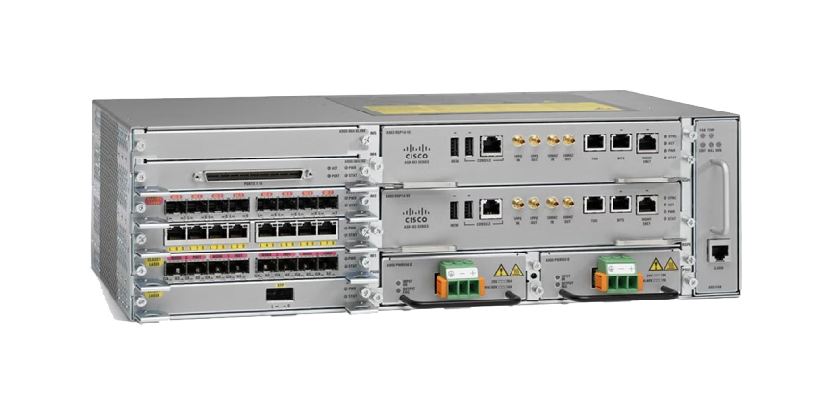
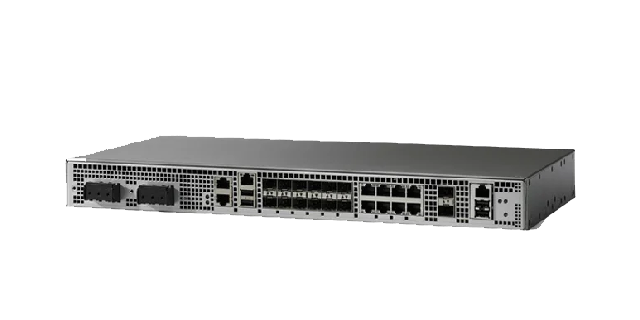
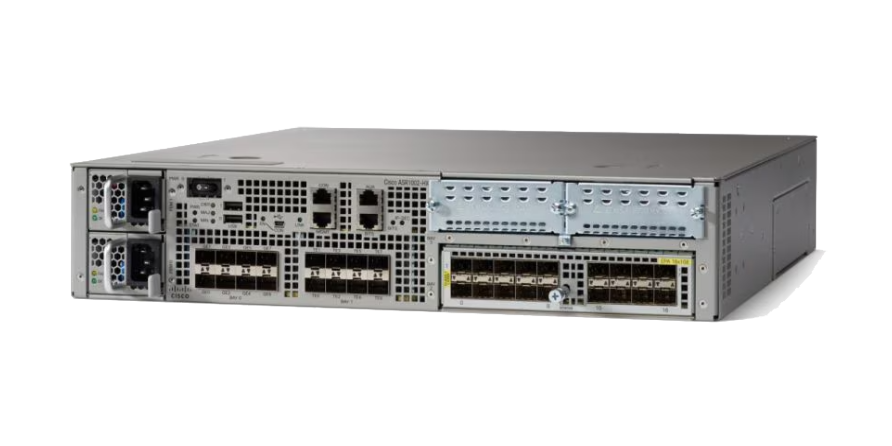
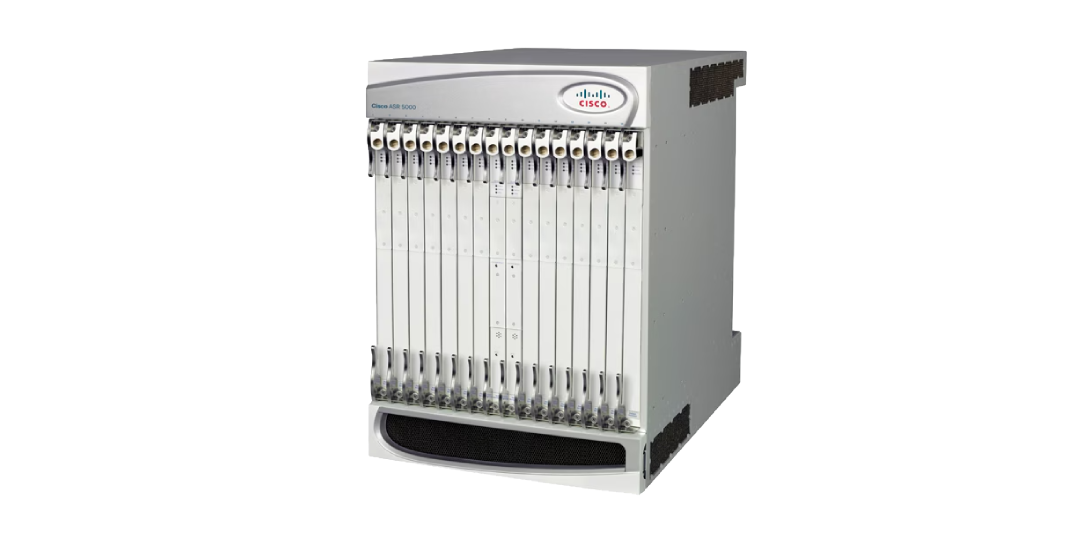
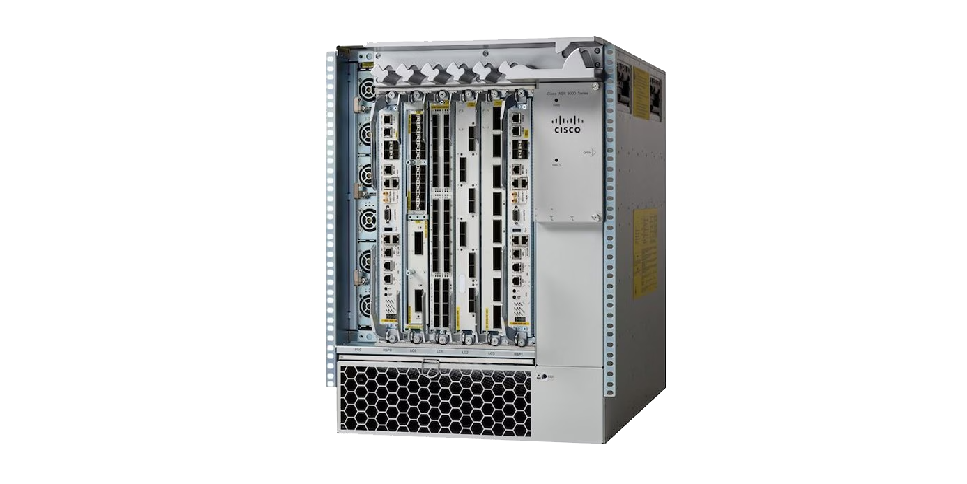
The Cisco ASR License defines how Cisco Aggregation Services Router platforms enable routing, aggregation, service-edge, broadband, VPN, security, throughput, and carrier-grade network functions across enterprise and service provider environments. Licensing is usually planned around the ASR platform family, software release, throughput level, feature package, service requirement, Smart Licensing model, support coverage, and whether the deployment uses Cisco IOS XE or IOS XR.
Key Benefits
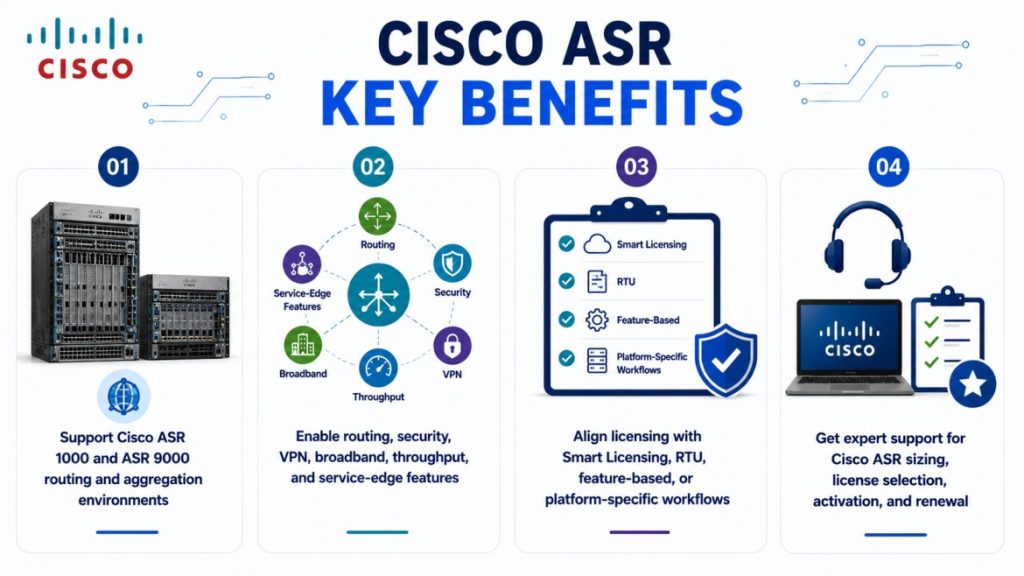
- Support Cisco ASR 1000 and ASR 9000 routing and aggregation environments
- Enable routing, security, VPN, broadband, throughput, and service-edge features
- Align licensing with Smart Licensing, RTU, feature-based, or platform-specific workflows
- Get expert support for Cisco ASR sizing, license selection, activation, and renewal
Cisco ASR At a glance
What it does : Cisco ASR licensing enables software features and routing capabilities across Cisco ASR platforms, including WAN aggregation, service provider edge, enterprise edge, broadband services, VPN, crypto throughput, port licensing, and advanced routing functions.
Product family : Cisco Router License
License type : Product and release dependent. Cisco ASR 1000 licensing can include feature licenses, RTU models, Smart Licensing, throughput performance licensing, crypto throughput, and port licensing. Cisco documentation also notes that ASR 9000 IOS XR supports Smart Licensing for managing software entitlements.
Typical term : Depends on platform, feature type, and ordering model. Some ASR licensing is feature-based or perpetual, while other entitlement models may involve subscription, support, or Smart Licensing-managed usage depending on software and platform.
Activation method : Activation depends on the ASR family and software release. Cisco ASR 1000 environments may use Smart Licensing, RTU, or feature-license workflows, while Cisco ASR 9000 platforms running IOS XR support Smart Licensing workflows for entitlement management.
Who needs it : Organizations using Cisco ASR routers for WAN aggregation, internet edge, service provider edge, broadband aggregation, MPLS, VPN, high-throughput routing, data center interconnect, or carrier-grade network services.

License Overview
Cisco ASR licensing is not one fixed model across every ASR platform. The correct Cisco ASR License depends on the router family, software operating system, release version, throughput level, and the specific services that need to be enabled.
For Cisco ASR 1000 Series routers, Cisco documentation describes software feature licenses for activating services, including RTU-style licenses and cases where services require both an RTU license and a number-of-sessions license. Cisco also notes that ASR 1000 licensing can include throughput performance, crypto throughput, and port licensing depending on the feature and platform.
For Cisco ASR 9000 Series routers, licensing is more closely tied to IOS XR and service provider feature requirements. Cisco’s ASR 9000 licensing quick reference describes Smart Licensing as a cloud-based software licensing model used to manage software licenses across the organization.
Because ASR deployments can include enterprise aggregation, service provider edge, broadband subscriber services, high-scale VPN, crypto, MPLS, and port-speed requirements, licensing should be planned around the actual network role rather than only the router model.
A properly aligned Cisco ASR License helps organizations avoid feature gaps, throughput limitations, unsupported service designs, and entitlement mismatches across routing and aggregation environments.
Product Overview
Cisco ASR routers are commonly used where routing performance, service scale, availability, and edge aggregation are critical. From enterprise WAN edges and broadband aggregation points to service-provider and data center edge deployments, Cisco ASR platforms support high-performance routing roles across the wider Cisco Networking portfolio.
A smaller ASR deployment may only require standard routing and aggregation functions. A more advanced deployment may require higher throughput, crypto performance, broadband sessions, MPLS services, carrier Ethernet, VPN, MACsec, or service-provider features.
Cisco ASR licensing helps align these capabilities with the actual role of the router. Instead of treating all ASR platforms the same, teams should evaluate the model, software release, required feature set, and activation method before purchasing or renewing licenses.
One of the main operational advantages is controlled feature enablement. Network teams can plan licensing based on routing function, service scale, port speed, encryption demand, and subscriber or session requirements.
For organizations standardizing on Cisco ASR platforms, this approach supports more predictable routing design, cleaner lifecycle management, and stronger control over high-performance edge services.
Core technical flow
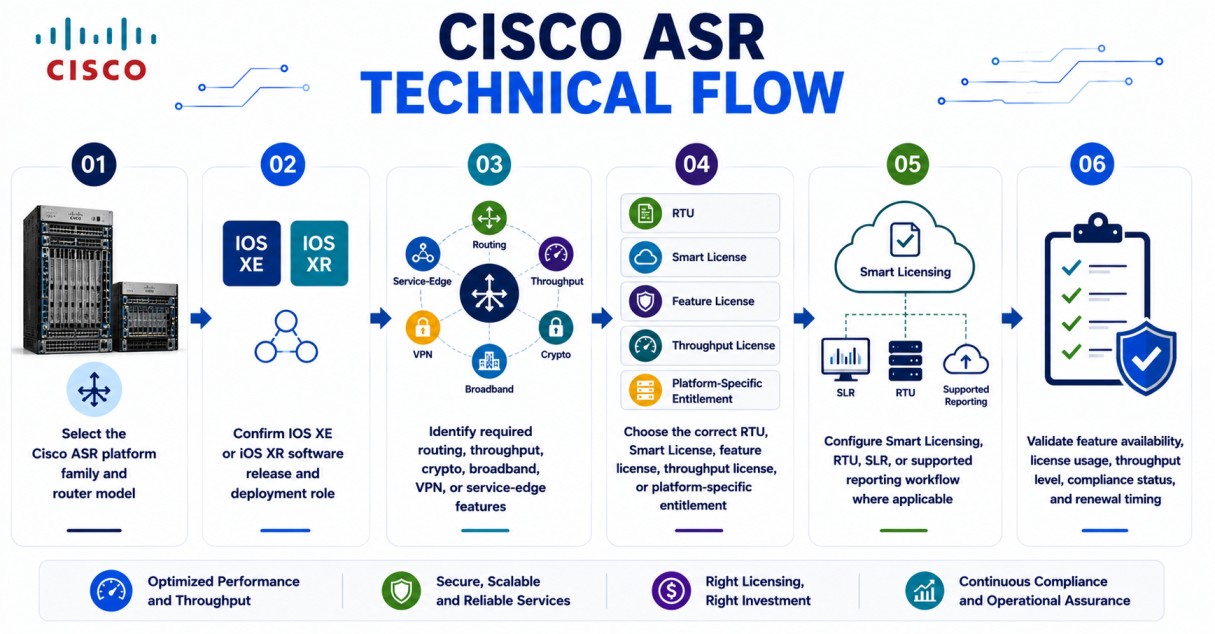
- Select the Cisco ASR platform family and router model
- Confirm IOS XE or IOS XR software release and deployment role
- Identify required routing, throughput, crypto, broadband, VPN, or service-edge features
- Choose the correct RTU, Smart License, feature license, throughput license, or platform-specific entitlement
- Configure Smart Licensing, RTU, SLR, or supported reporting workflow where applicable
- Validate feature availability, license usage, throughput level, compliance status, and renewal timing
Options & Tiers
| Licensing Model | Best for | Typical Scope | What affects pricing |
|---|---|---|---|
| ASR 1000 feature licensing | Enterprise edge and aggregation | IOS XE software features and service enablement | Feature requirement and router model |
| RTU licensing | Selected ASR 1000 services | Right-to-use feature activation model | Feature type and compliance requirement |
| Throughput licensing | High-performance routing | Performance or crypto throughput levels | Required throughput and platform |
| Port licensing | Port-speed or interface enablement | Selected ASR 1000 interface capabilities | Port count and speed |
| ASR 9000 Smart Licensing | Service provider and IOS XR deployments | Entitlement management for IOS XR features | Feature scale and platform family |
| SLR / restricted licensing | Controlled or air-gapped environments | Offline reservation or restricted activation workflow | Security and connectivity model |
Features & Benefits
As routing environments grow across enterprise edges, service provider networks, broadband services, and high-throughput WAN locations, ASR licensing becomes important for matching router capabilities with the actual network design. A well-planned Cisco ASR License allows teams to enable the required routing, security, session, throughput, and service-edge features without over-sizing or under-sizing the platform.
One major benefit is performance alignment. ASR deployments often depend on throughput, crypto, interface, and service-scale requirements, so the license must support the intended operational load. Another benefit is licensing flexibility across ASR families. Cisco ASR 1000 licensing documentation discusses feature, throughput, crypto throughput, and port licensing, while ASR 9000 documentation focuses on IOS XR licensing and Smart Licensing workflows. Over time, this helps organizations reduce licensing uncertainty, improve edge routing planning, and maintain better control over Cisco ASR capabilities across enterprise and service provider environments.
System Requirements
Common environments
- Cisco ASR 1000 enterprise edge and aggregation environments
- Cisco ASR 9000 service provider and carrier-grade routing environments
- WAN, internet edge, MPLS, VPN, broadband, and service-edge deployments
- High-throughput routing and crypto-heavy network designs
Technical requirements
- Supported Cisco ASR router model
- Compatible IOS XE or IOS XR software release
- Correct feature, throughput, port, session, or Smart Licensing entitlement
- Cisco Smart Account and Virtual Account access where applicable
- CSSM connectivity, SLR, or restricted licensing workflow depending on environment
How activation works
Activating Cisco ASR licensing usually starts with confirming the ASR platform, software release, required feature set, and licensing model supported by that router.
For Cisco ASR 1000 environments, licensing may involve Smart Licensing, RTU-style activation, throughput configuration, crypto throughput, port licensing, or feature-specific software licensing depending on the IOS XE release and product model. Cisco documentation describes licensing support for throughput performance, crypto throughput, and port licensing on ASR 1000 routers.
For Smart Licensing deployments, the router or licensing workflow is associated with Cisco Smart Software Manager through the organization’s Smart Account. Cisco also documents Specific License Reservation restrictions for ASR 1000 routers, which is relevant for environments using SLR-based offline reservation.
For Cisco ASR 9000 environments, Smart Licensing can be enabled and managed on IOS XR platforms. Cisco documentation describes Smart Licensing operation on ASR 9000 and provides command references for enabling Smart Licensing on the platform.
After activation or licensing configuration, administrators should verify the active license level, enabled features, throughput settings, Smart Licensing status, and entitlement alignment. On ASR 1000 HX platforms, Cisco documentation specifically includes verification of IOS license level, license information, port license, and crypto throughput level.
Pricing factors + quote process
Pricing for Cisco ASR licensing usually depends on the ASR model, platform family, required software features, throughput level, port requirements, crypto needs, service scale, support coverage, and activation method.
A Cisco ASR 1000 deployment requiring only standard routing may have a different licensing scope than a deployment requiring crypto throughput upgrades, broadband sessions, CUBE, port licensing, or advanced feature enablement. For Cisco ASR 9000 environments, pricing may be influenced by IOS XR feature requirements, line card capabilities, service-provider features, and Smart Licensing entitlement scope.
Additional considerations such as HA design, route processor configuration, interface modules, MACsec, broadband subscriber scale, MPLS services, support level, and renewal timing can also influence the final quote.
During the quote process, ASR inventory, network role, throughput expectations, software release, feature requirements, and activation method are reviewed first so the licensing approach can match the organization’s routing and aggregation strategy more accurately.
After you request a quote
- We review your Cisco ASR model and deployment role
- Identify required feature, throughput, port, or Smart Licensing scope
- Provide official pricing and delivery details
- Share activation, verification, and renewal guidance
Cisco ASR pricing depends on your router series, license type, deployment model and support requirements.