

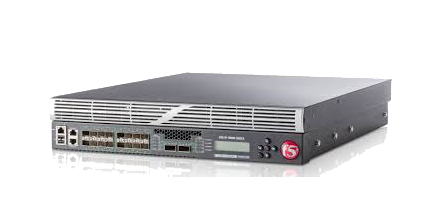
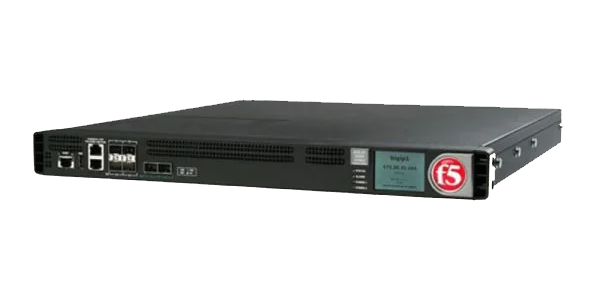
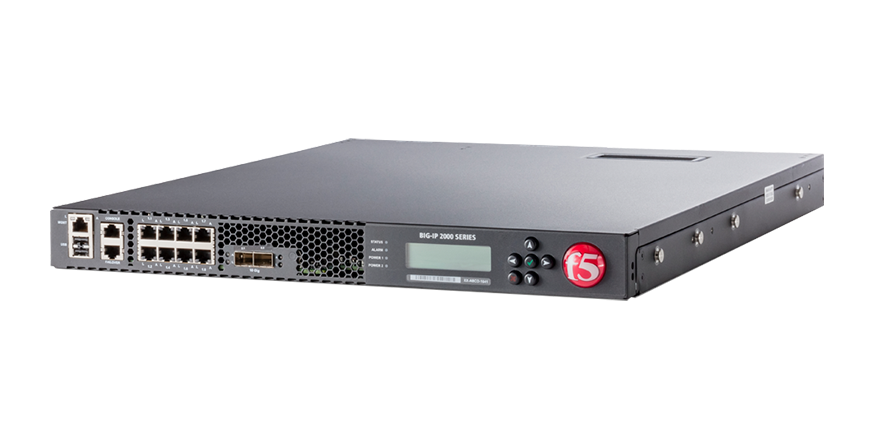
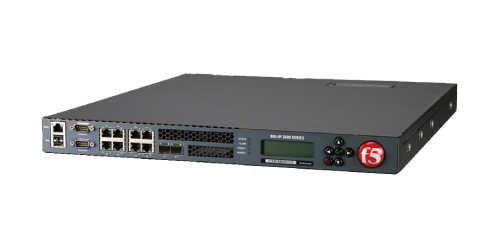
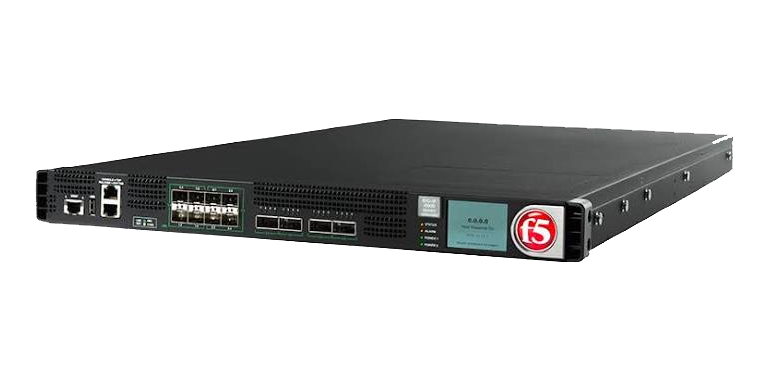
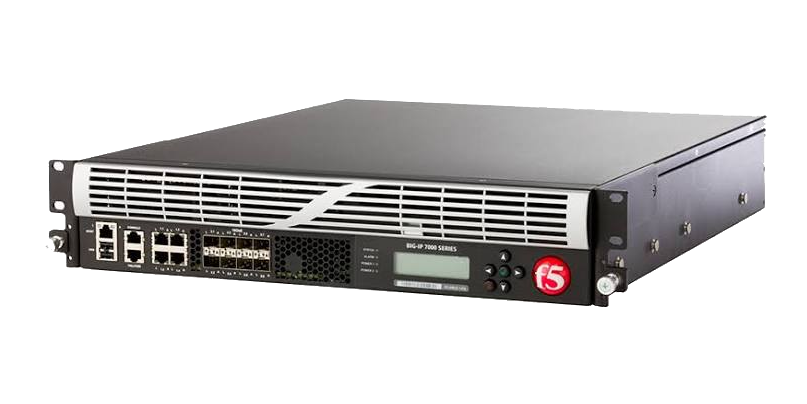
BIG-IP Standard Series refers to F5’s earlier generation of physical BIG-IP appliances used for application delivery, load balancing, SSL processing, DNS, application security, access control, and network protection. The family includes platforms such as the BIG-IP 2000, 4000, 5000, 7000, 10000, and 12000 Series.
These appliances are now legacy platforms rather than a suitable starting point for a new F5 deployment. F5 announced end of sale for this generation after introducing BIG-IP iSeries, and current hardware projects should normally be evaluated against BIG-IP rSeries. Existing Standard Series systems may still appear in older data centers, however, which makes license verification, software compatibility, spare-platform planning, and migration assessment important.
Quick Benefits
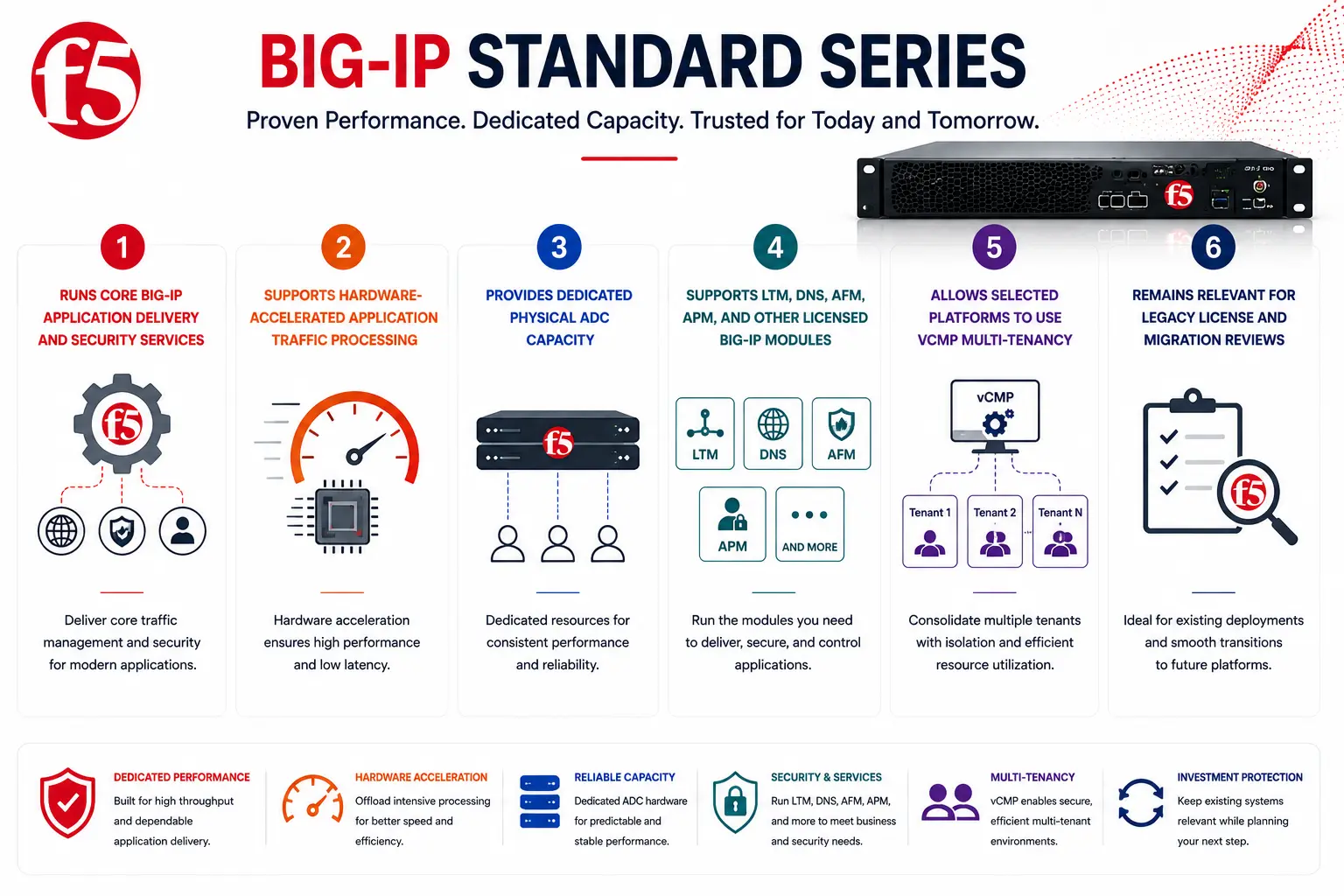
- Runs core BIG-IP application delivery and security services
- Supports hardware-accelerated application traffic processing
- Provides dedicated physical ADC capacity
- Supports LTM, DNS, AFM, APM, and other licensed BIG-IP modules
- Allows selected platforms to use vCMP multi-tenancy
- Remains relevant for legacy license and migration reviews
BIG-IP Standard Series At a Glance
What it is: Previous-generation physical BIG-IP appliance family
Product family: BIG-IP License
Main platforms: 2000, 4000, 5000, 7000, 10000, and 12000 Series
Primary role: Application delivery, traffic management, security, DNS, and access
Software platform: BIG-IP TMOS
Licensing: Hardware-bound base license with supported BIG-IP modules and add-ons
BIG-IP Standard Series License Overview
BIG-IP Standard Series licensing is tied to the physical appliance and the services purchased for that system within the broader F5 License portfolio. A base registration key activates the platform, while additional BIG-IP modules determine which application-delivery and security functions can be provisioned.
The exact capabilities depend on the appliance model, installed memory, TMOS release, and license. F5 documentation notes that the BIG-IP license determines which module combinations are available, and lower-memory Standard Series platforms may have tighter limits on the number of services that can run together.
Common licensed functions include BIG-IP LTM for local traffic management, BIG-IP DNS for global application availability, AFM for network firewalling, APM for secure access, and legacy ASM capabilities for application security. Not every Standard Series appliance supports every module combination, so an existing license should be checked before changing software or adding services.
BIG-IP Standard Series Product Overview
The Standard Series was designed as dedicated application-delivery hardware. Traffic enters the appliance through physical network interfaces, BIG-IP applies the configured application and security policies, and approved connections are forwarded to application servers or another destination.
The product range covered very different scales. The 2000 and 4000 families targeted smaller deployments, while 5000 and 7000 platforms provided greater capacity. The 10000 and 12000 generations addressed high-performance enterprise and service-provider environments. F5 hardware documentation lists these six families together as the Standard Series generation.
Some higher-capacity Standard Series systems also supported vCMP, allowing one physical appliance to host separate BIG-IP guest instances. F5 documentation identifies platforms including 5200v, 5250v, 7200v, 7250v, 10200v, 10250v, 10350v, and 12250v as vCMP-capable.
Core Technical Flow
Client Traffic → BIG-IP Standard Series → BIG-IP Policy and Licensed Module → Application Pool → Response
LTM can select healthy application servers and manage persistence or SSL handling. If other services are licensed, the same traffic path may also include DNS decisions, access policies, network firewall checks, or application-security inspection.
Options & Licensing Models
| Area | Typical consideration |
|---|---|
| Hardware family | 2000, 4000, 5000, 7000, 10000, or 12000 |
| BIG-IP services | LTM, DNS, AFM, APM, ASM, or supported combinations |
| Capacity | Traffic, SSL, connections, and application demand |
| vCMP | Supported model and guest-resource requirements |
| Software | Compatible BIG-IP TMOS release |
| Availability | Standalone or HA pair |
| Lifecycle | Support status, replacement hardware, and migration |
Because the Standard Series is retired, existing registration keys and entitlements should be preserved carefully. A module that worked on one appliance should not automatically be assumed transferable to a newer platform.
Features & Benefits
The main strength of the Standard Series was the ability to consolidate application-delivery services on purpose-built hardware. A system could perform load balancing, SSL offload, application health monitoring, DNS, access control, or firewall functions according to the licensed software.
Hardware acceleration also reduced the burden of cryptographic and packet-processing workloads on general-purpose CPUs. At the time, this made the Standard Series suitable for applications where predictable physical ADC performance was more important than virtual or cloud deployment flexibility.
For current customers, the benefit is now mostly continuity. If an appliance remains operational, understanding its installed license, TMOS version, and application dependencies can make migration considerably safer.
Compatibility & Requirements
Before changing an existing BIG-IP Standard Series environment, confirm:
- Exact appliance model and platform ID
- Installed BIG-IP version
- Base registration key and add-on licenses
- Provisioned BIG-IP modules
- Current traffic and SSL demand
- HA or vCMP configuration
- Interface and optic requirements
- Application dependencies
- Target migration platform
Software support varies significantly between models. F5 still maintains a hardware/software compatibility matrix that separates Standard Series, iSeries, rSeries, VIPRION, and VELOS platforms.
How BIG-IP Standard Series Activation Works
Standard Series appliances use F5’s traditional BIG-IP registration-key licensing process. The license is linked to the appliance hardware identity, and supported services are activated through the base and add-on entitlements.
F5 also notes that hardware identity became more tightly integrated with licensing on Standard Series platforms in BIG-IP 13.1. Before a software upgrade or reinstallation, the current license and supported software range should be checked carefully.
BIG-IP Standard Series Pricing & Quote Process
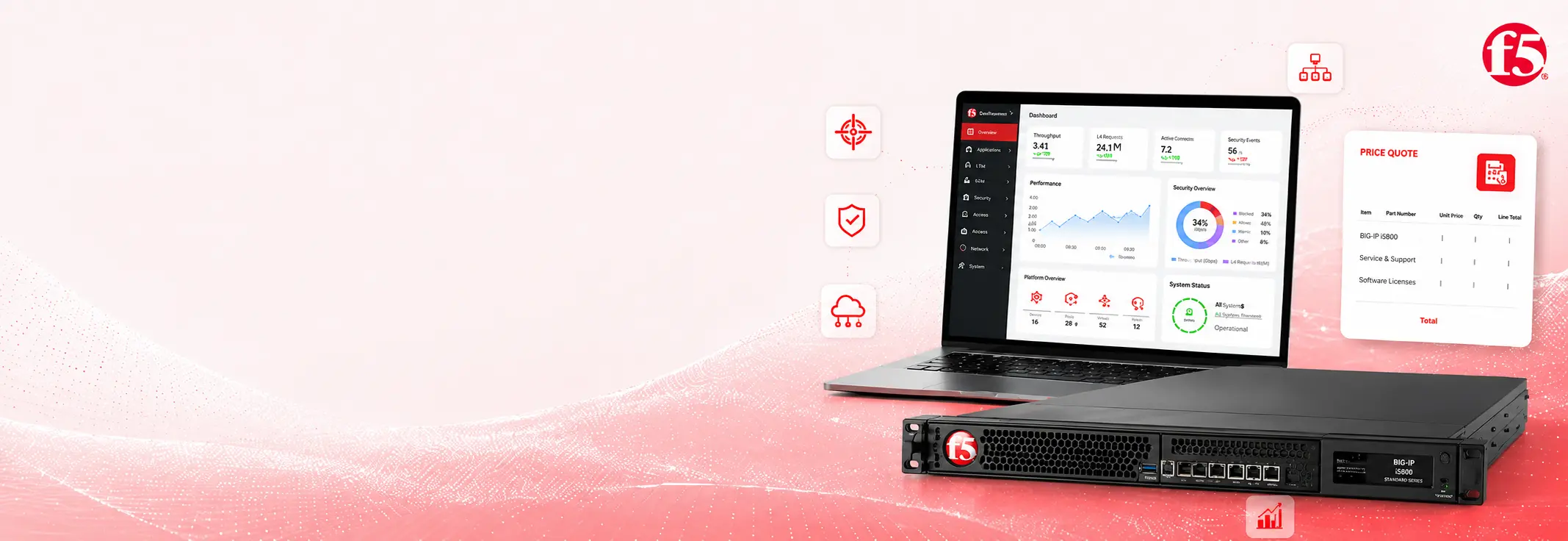
Most BIG-IP Standard Series requests today involve existing environments rather than new deployments. Availability and cost depend on the exact appliance, current license, required module, replacement need, support situation, and whether the project is moving toward iSeries or rSeries. For a quote, provide F5 as the brand and BIG-IP Standard Series as the product. An appliance serial number, model, registration key, license screenshot, or existing configuration can also help identify the correct requirement.
F5 pricing depends on your product edition, license type, deployment model, traffic needs, term, and support requirements.