

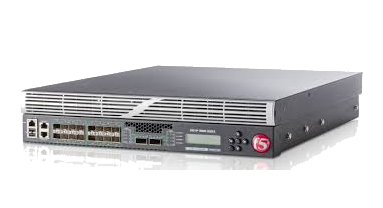
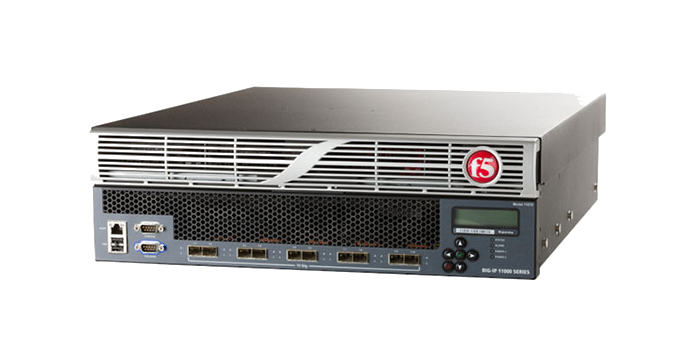
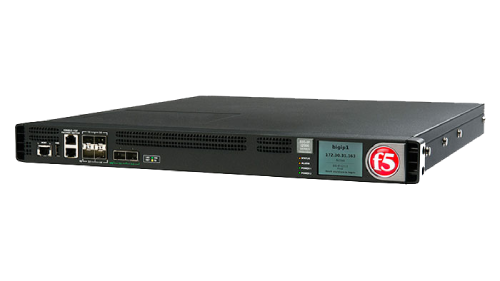
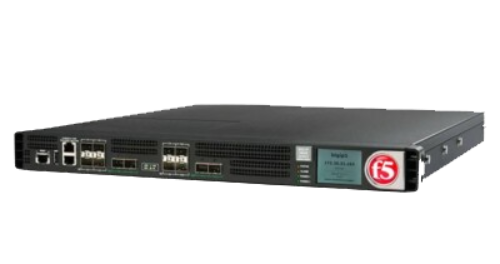
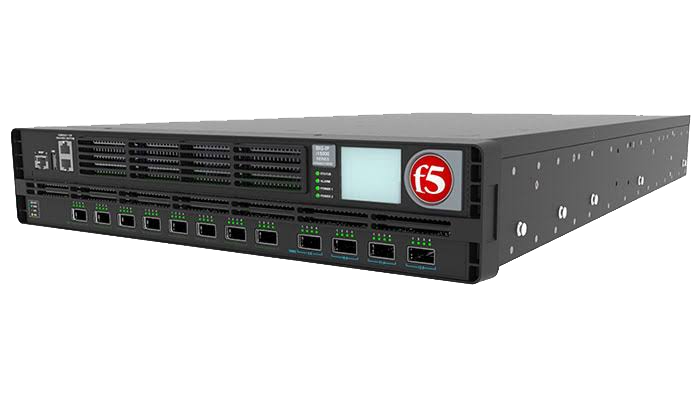
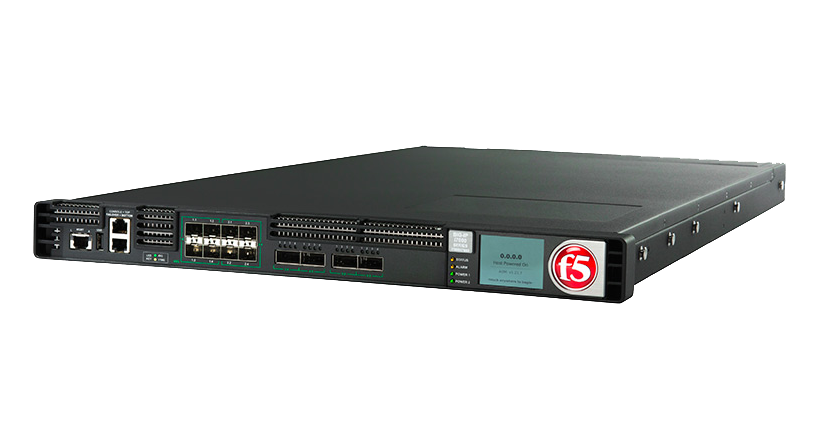
BIG-IP iSeries is F5’s previous-generation hardware platform for application delivery, traffic management, SSL/TLS processing, web security, DNS, access control, and network protection. The family ranges from entry-level i2000 appliances to high-capacity i15000 systems, allowing organizations to run multiple BIG-IP services on dedicated ADC hardware.
F5 ended sales of new BIG-IP iSeries appliances on January 1, 2024 and now positions BIG-IP rSeries as its next-generation hardware platform. Existing iSeries environments are still important, however. Many organizations continue to operate them and may need license changes, software upgrades, HA replacements, support validation, or a planned migration rather than an immediate platform replacement.
Quick Benefits
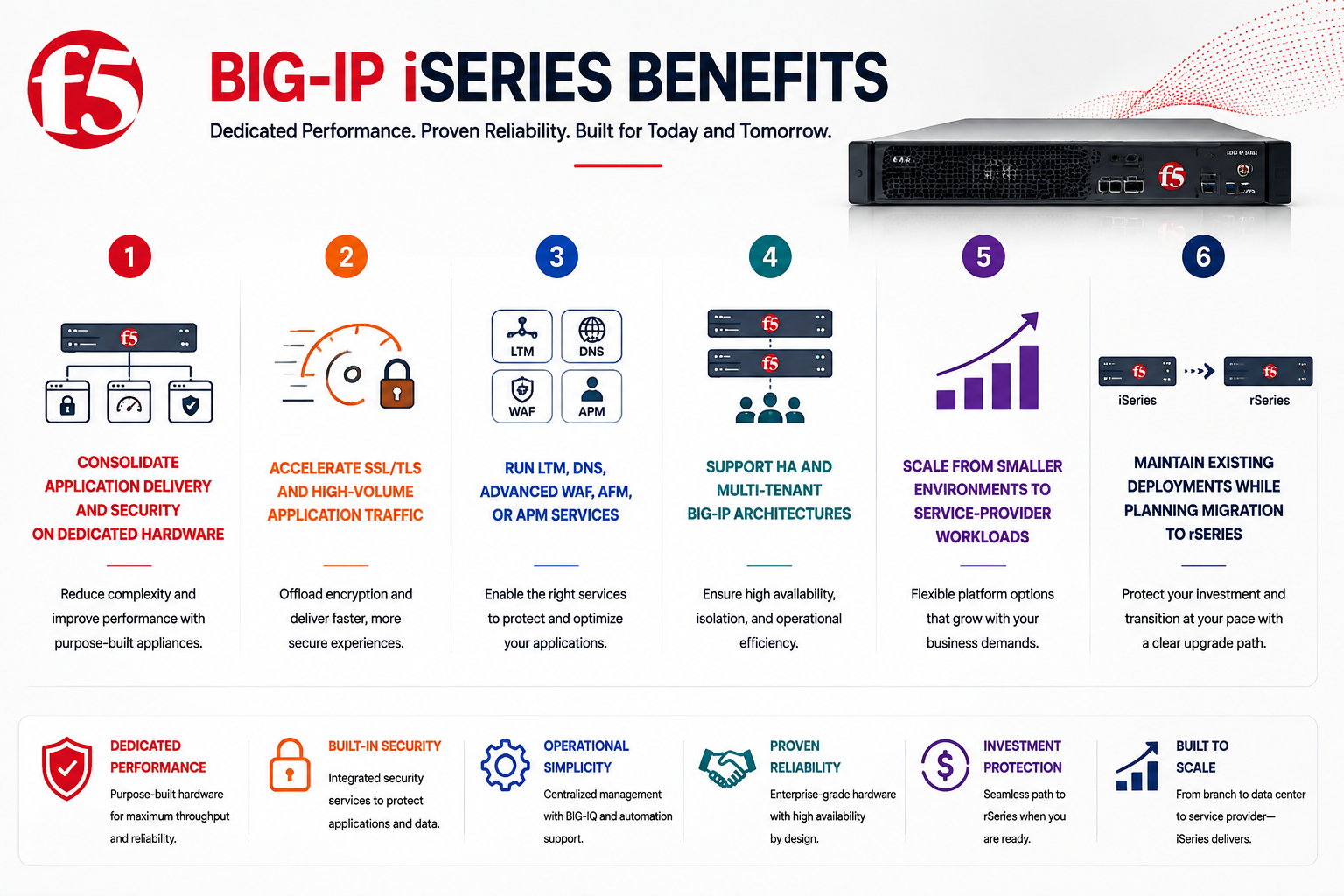
- Consolidate application delivery and security on dedicated hardware
- Accelerate SSL/TLS and high-volume application traffic
- Run LTM, DNS, Advanced WAF, AFM, or APM services
- Support HA and multi-tenant BIG-IP architectures
- Scale from smaller environments to service-provider workloads
- Maintain existing deployments while planning migration to rSeries
BIG-IP iSeries At a Glance
What it is: Hardware-based application delivery and security platform
Product family: BIG-IP License
Main families: i2000, i4000, i5000, i7000, i10000, i11000, and i15000
Typical services: LTM, DNS, Advanced WAF, AFM, and APM
Deployment: Physical data center, colocation, or enterprise network edge
Licensing: Base platform license with selected BIG-IP modules and add-ons
BIG-IP iSeries License Overview
An iSeries appliance is licensed according to the physical platform and the BIG-IP services enabled on it. BIG-IP LTM provides traffic management and load balancing, while DNS, Advanced WAF, AFM, and APM add global availability, application security, network protection, and secure access functions.
The appliance uses a base registration key, with purchased modules and add-on entitlements attached to the system. Licensing can therefore differ significantly between two identical hardware models. One i5800 might operate mainly as an ADC with LTM, while another could also provide Advanced WAF and AFM services.
Some iSeries appliances were also offered in standard and higher-performance tiers. F5 documents upgrade paths from standard to performance tiers for supported platforms, which can change traffic specifications without requiring a completely different appliance generation.
BIG-IP iSeries Product Overview
F5 designed iSeries around hardware acceleration and BIG-IP software. TurboFlex technology moves selected traffic-processing functions away from the general-purpose CPU, while dedicated crypto capabilities accelerate SSL/TLS workloads. The platform can therefore handle application delivery and security services without relying entirely on software processing.
iSeries Platform Range
| Family | Typical positioning |
|---|---|
| i2000 | Entry-level and smaller enterprise deployments |
| i4000 | Small-to-medium enterprise ADC and security |
| i5000 | Mid-range application delivery |
| i7000 | Mid-to-high performance environments |
| i10000 | High-performance enterprise deployments |
| i11000 | High-capacity 1RU application services |
| i15000 | Large enterprise and service-provider environments |
F5 published throughput ranging from up to 10 Gbps on the i2000 family to as much as 320 Gbps Layer 4 throughput on the i15000 generation, although actual sizing depends heavily on model, module, SSL profile, traffic mix, and enabled security functions.
Core Technical Flow
Client Request → BIG-IP iSeries → Traffic and Security Policy → Application Pool → Response
A client first connects to a BIG-IP virtual server. The appliance evaluates health monitors, load-balancing policy, persistence, SSL/TLS settings, and any licensed security or access services. Traffic is then forwarded to an available application resource, while BIG-IP continues monitoring service health for future requests.
Options & Licensing Models
The correct iSeries configuration is normally determined by three layers:
- Hardware: iSeries family and exact appliance model
- BIG-IP services: LTM, DNS, Advanced WAF, AFM, APM, or combinations
- Capacity: SSL, connection, throughput, user, and application requirements
APM licensing deserves particular attention because F5 documents platform-specific base, add-on, and higher-capacity limits for iSeries appliances. The same applies to certain hardware-accelerated services, so existing license details should be checked rather than inferred from the appliance name alone.
Features & Benefits
The main advantage of BIG-IP iSeries is service consolidation. A single appliance can handle load balancing, SSL offload, application security, DNS, network firewalling, or secure access when the appropriate modules are licensed.
Supported platforms can also use vCMP to run multiple BIG-IP guest instances with dedicated CPU and memory resources. This is useful where teams need separation between applications or business units without deploying separate physical appliances for every environment.
For existing customers, the bigger question is now lifecycle rather than feature expansion. An iSeries platform that still meets current requirements may remain useful, but new capacity investments should be weighed against an rSeries migration.
Compatibility & Requirements
Before changing or renewing an iSeries environment, confirm:
- Exact appliance and performance tier
- BIG-IP software version
- Licensed modules and add-on keys
- Traffic, SSL, and connection requirements
- HA or vCMP configuration
- Interface and optic requirements
- Current support entitlement
- rSeries migration timeline
F5’s current compatibility matrix still lists supported BIG-IP software releases for multiple iSeries platforms, so software compatibility should be checked by exact model rather than by the iSeries name alone.
How BIG-IP iSeries Activation Works
BIG-IP licensing uses the system’s registration key and associated entitlements. Connected systems can reactivate against F5 licensing services, while offline environments can use F5’s manual licensing workflow. Before a BIG-IP software upgrade, F5 recommends checking and, when appropriate, reactivating the license so the service check date and entitlement information are current.
BIG-IP iSeries Pricing & Quote Process
BIG-IP iSeries requests now commonly involve existing hardware rather than new appliance purchases. Pricing or availability depends on the appliance model, licensed modules, support status, required capacity, HA quantity, and whether the project involves replacement or migration. For a quote, provide F5 as the brand and BIG-IP iSeries as the product. Existing registration keys, license screenshots, appliance models, or configuration details can be attached, while module upgrades and rSeries migration options can be reviewed separately.
F5 pricing depends on your product edition, license type, deployment model, traffic needs, term, and support requirements.