

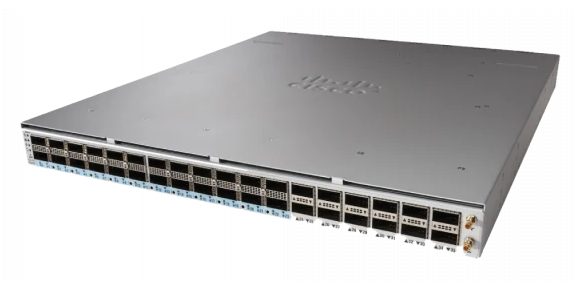
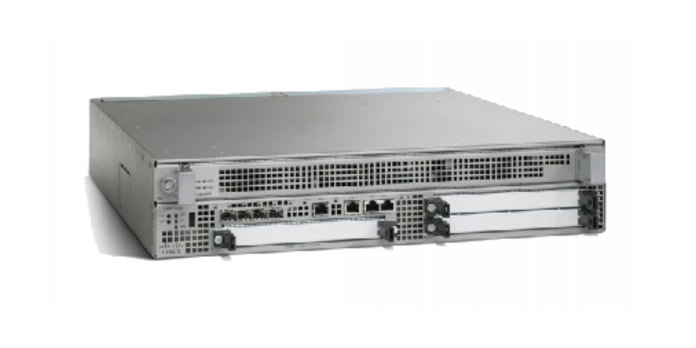
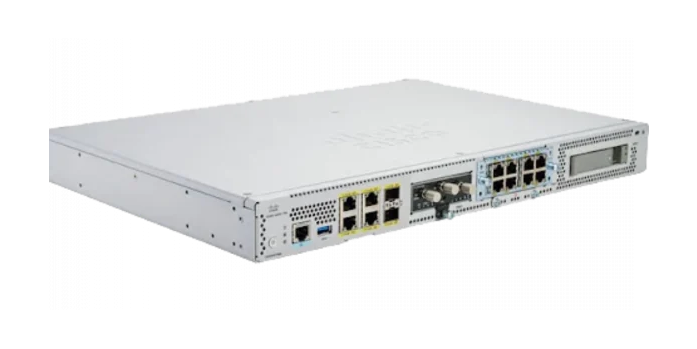

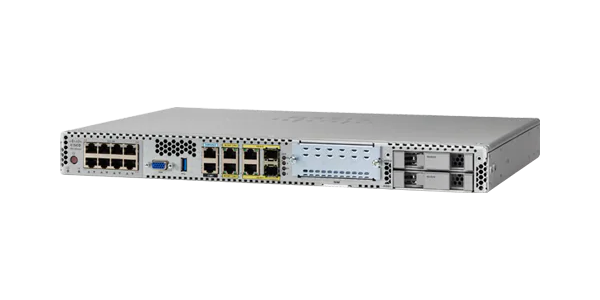

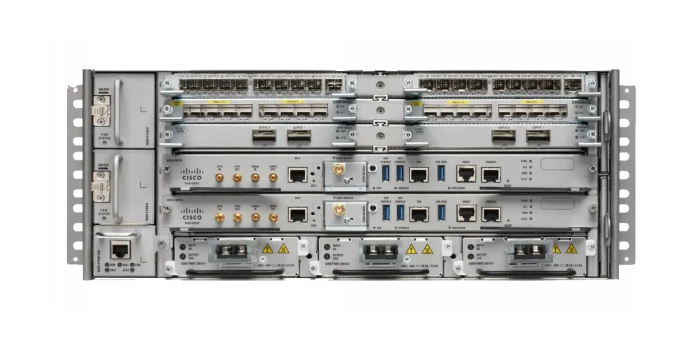


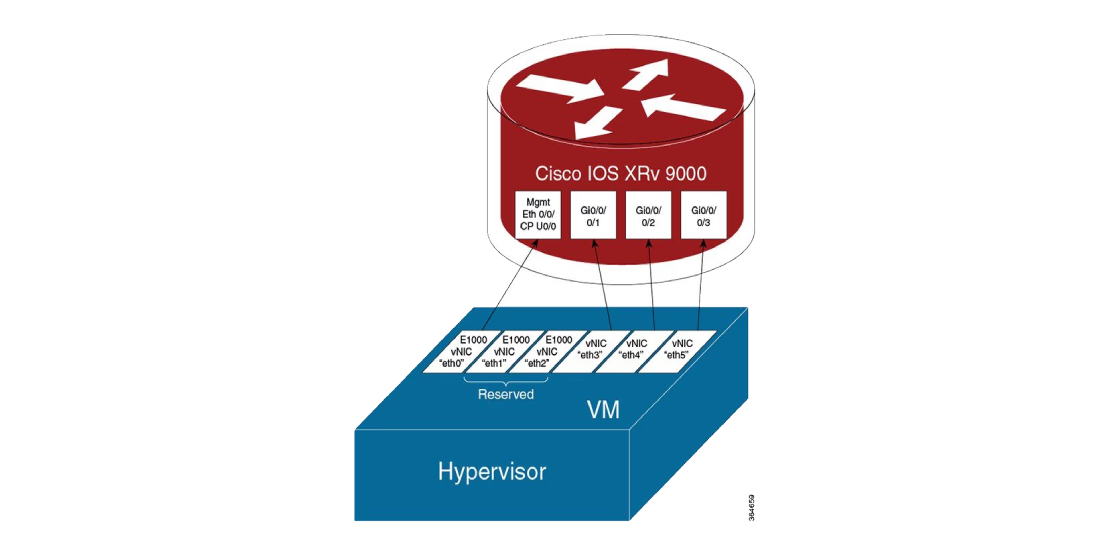
The Cisco Router License defines how Cisco routing platforms can enable the right software capabilities for WAN, SD-WAN, security, application visibility, throughput, and network services. For many modern Cisco routing environments, licensing is planned around the router platform, deployment mode, software tier, bandwidth or throughput needs, and whether the environment uses traditional routing, SD-WAN, or hybrid branch connectivity. Cisco’s SD-WAN and routing software matrix explains that eligible platforms can include perpetual Network Essentials or Network Advantage licenses together with Cisco DNA for SD-WAN subscription licensing, depending on the selected tier and use case.
Key Benefits
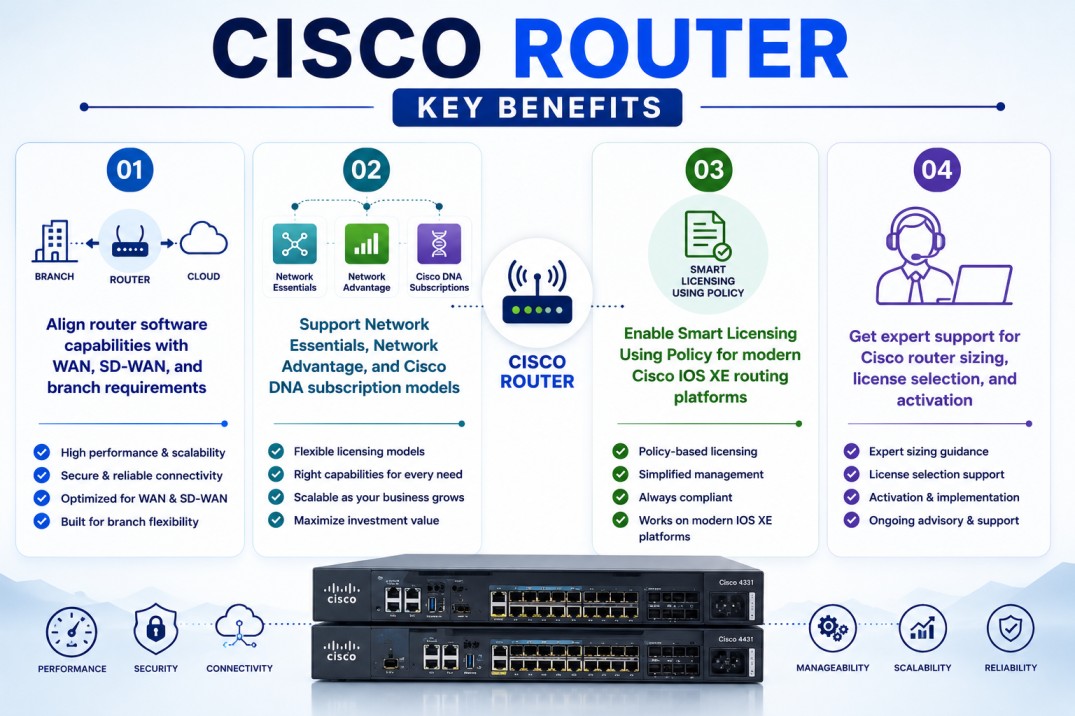
- Align router software capabilities with WAN, SD-WAN, and branch requirements
- Support Network Essentials, Network Advantage, and Cisco DNA subscription models
- Enable Smart Licensing Using Policy for modern Cisco IOS XE routing platforms
- Get expert support for Cisco router sizing, license selection, and activation
Cisco Router License At a glance
What it does : Cisco router licensing enables the required software features, routing capabilities, security functions, SD-WAN options, throughput levels, and management entitlements for Cisco enterprise routing platforms.
License type : Product-dependent. Modern Cisco routing platforms commonly use Network-stack licenses such as Network Essentials or Network Advantage, plus Cisco DNA subscription licenses such as Essentials, Advantage, or Premier depending on platform and deployment model. Cisco documentation for Catalyst 8000 platforms describes network-stack licenses as permanent and DNA-stack add-on licenses as subscription or term-based.
Typical term : Commonly 3 years, 5 years, and in some routing subscription cases 7 years; Cisco’s SD-WAN and routing subscription FAQ lists 3-, 5-, and 7-year options for Cisco DNA Essentials and Advantage.
Activation method : Cisco Smart Licensing or Smart Licensing Using Policy through Cisco Smart Software Manager, supported transport options, or on-premises workflows depending on router platform and software version.
Who needs it : Organizations deploying Cisco routers for branch connectivity, WAN, SD-WAN, secure routing, cloud connectivity, site-to-site VPN, voice, application visibility, and enterprise network services.
License Overview
Cisco router licensing is not a single universal model across all platforms. The correct license depends on the router family, IOS XE release, feature tier, deployment architecture, and whether the device is used for traditional routing, SD-WAN, SD-Routing, or cloud edge connectivity.
For many enterprise routing deployments, Cisco uses a combination of perpetual network capabilities and subscription-based DNA software. Cisco’s SD-WAN and routing matrix states that Network Essentials and Network Advantage perpetual licenses are included on eligible hardware platforms with every Cisco DNA for SD-WAN subscription. It also explains that Network Essentials provides base routing and security capabilities, while Network Advantage adds broader routing, security, voice, and AppX capabilities.
On newer Catalyst 8000 platforms, Cisco documentation separates network-stack licenses from DNA-stack add-on licenses. The network-stack license is permanent, while the DNA-stack add-on is term-based and tied to the subscription period. Because Cisco router environments can include branch routers, aggregation routers, virtual routers, Catalyst 8000 platforms, ISR, ASR, or SD-WAN deployments, licensing should be planned around real routing needs rather than only the hardware model.
Product Overview
Enterprise routers often sit at the center of branch connectivity, WAN transport, cloud access, VPN services, voice routing, and application traffic control. As networks expand, the router’s software tier becomes just as important as the hardware platform itself.
Cisco routers are designed to support a wide range of deployment models, from traditional routing and secure WAN connectivity to SD-WAN and cloud edge architectures.
In practice, the selected license determines which software capabilities are available, how the router can be managed, what level of routing or security features can be used, and whether advanced SD-WAN or application-aware functions are enabled.
One of the main operational advantages is licensing flexibility. Cisco DNA for SD-WAN and Routing licenses are designed to support movement between on-premises and cloud management models and across eligible hardware and software platforms within the same bandwidth tier.
For organizations building modern branch or WAN environments, this approach helps align router capabilities with current network architecture while leaving room for future operational growth.
Core technical flow
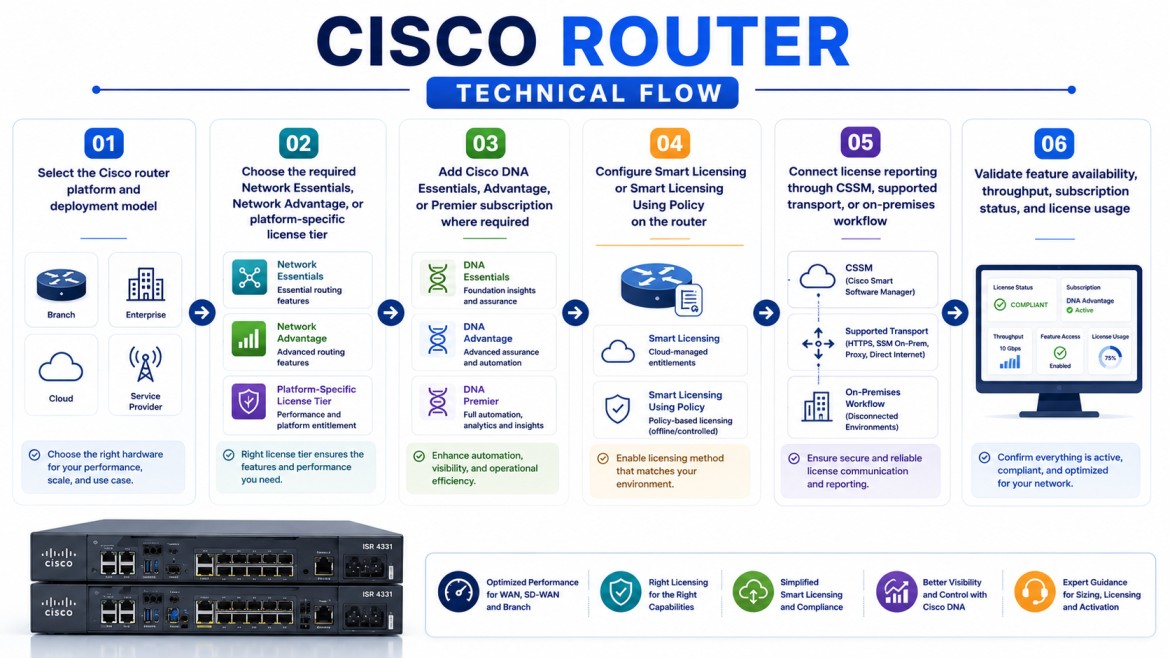
- Select the Cisco router platform and deployment model
- Choose the required Network Essentials, Network Advantage, or platform-specific license tier
- Add Cisco DNA Essentials, Advantage, or Premier subscription where required
- Configure Smart Licensing or Smart Licensing Using Policy on the router
- Connect license reporting through CSSM, supported transport, or on-premises workflow
- Validate feature availability, throughput, subscription status, and license usage
Options & Tiers
| Licensing Model | Best for | Typical Scope | What affects pricing |
|---|---|---|---|
| Network Essentials | Foundational routing deployments | Core routing and basic network services | Router model and feature needs |
| Network Advantage | Advanced enterprise routing | Broader routing, security, voice, and AppX capabilities | Required feature set |
| Cisco DNA Essentials | SD-WAN and routing subscription needs | Core SD-WAN and management capabilities | Term and platform tier |
| Cisco DNA Advantage / Premier | Advanced SD-WAN and routing environments | Expanded analytics, automation, and advanced capabilities | Feature depth and scale |
| Smart Licensing Using Policy | Modern IOS XE deployments | Usage reporting and compliance workflow | Transport and deployment model |
Features & Benefits
As branch and WAN environments grow, router licensing becomes important for keeping routing capabilities, security features, and management workflows aligned with the actual network design. Cisco router software tiers help organizations enable the right level of routing, security, WAN, SD-WAN, voice, and application-aware functionality for each deployment.
One of the main benefits is controlled feature planning. Teams can select a license tier that matches the intended use case instead of overbuilding or under-sizing the router software stack. The licensing model also supports operational consistency across distributed environments. Cisco’s Smart Licensing Using Policy documentation for enterprise routing covers IOS XE routing product instances and supported Cisco routing platforms, helping teams manage licensing through modern policy-based workflows. Over time, this helps organizations reduce licensing gaps, simplify renewal planning, and maintain better control over router capabilities across branch, WAN, and cloud-connected infrastructure.
System Requirements
Common environments
- Cisco enterprise routing environments
- Branch, WAN, SD-WAN, and cloud edge deployments
- Cisco ISR, ASR, Catalyst 8000, and virtual routing platforms
- Traditional routing, SD-Routing, and Catalyst SD-WAN architectures
Technical requirements
- Supported Cisco router platform and IOS XE release
- Cisco Smart Account and Virtual Account access
- Cisco Smart Software Manager access or supported on-premises reporting method
- Correct feature tier, subscription term, and deployment architecture
How activation works
Activating Cisco router software usually starts with confirming the platform, IOS XE version, selected license tier, and Smart Account where the entitlement is available. For modern IOS XE routing platforms, Cisco commonly uses Smart Licensing Using Policy. Cisco describes Smart Licensing Using Policy as an evolved version of Smart Licensing where product usage reporting is required, but initial software use does not necessarily require registration before use in the same way older Smart Licensing workflows did.
In connected environments, the router can report usage to Cisco Smart Software Manager through supported transport settings. Cisco’s IOS XE router configuration guide describes the configuration and registration steps required for Smart Licensing Using Policy on Cisco IOS XE routers.
For controlled environments, organizations may use supported on-premises or mediated reporting workflows instead of direct internet communication. Cisco documentation for Smart Licensing explains that devices can send license usage to CSSM directly or through an on-premises application, depending on the deployment.
After activation or reporting configuration, administrators should validate license usage, boot level, subscription tier, throughput settings, and feature availability. On Catalyst 8000 platforms, Cisco documentation also explains that DNA add-on licenses depend on the selected network-stack license and that network-stack licenses are permanent while DNA-stack add-ons are term-based.
Pricing factors + quote process
Organizations usually size Cisco router licensing according to the router platform, feature tier, bandwidth or throughput requirement, deployment model, and subscription term.
Environments using SD-WAN, higher bandwidth tiers, advanced security features, cloud management, application visibility, voice, or large branch deployments may require more detailed licensing and architecture planning.
Additional considerations, such as Network Essentials versus Network Advantage, Cisco DNA Essentials versus Advantage or Premier, support coverage, Smart Licensing method, virtual router needs, and hardware platform selection, can also influence the final quote.
During the quote process, router inventory, WAN design, throughput needs, feature requirements, and activation model are reviewed first so the licensing approach can match the organization’s Cisco routing strategy more accurately.
After you request a quote
- We review your Cisco router platform and deployment model
- Recommend the suitable Network and Cisco DNA licensing scope
- Provide official pricing and delivery details
- Share Smart Licensing and activation guidance