

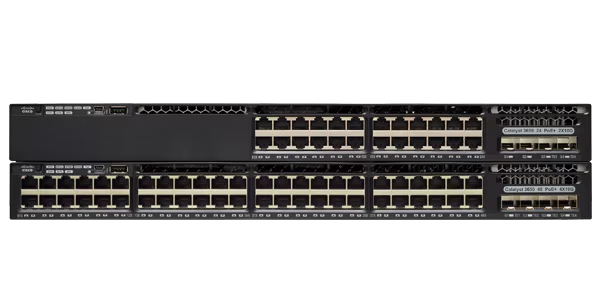
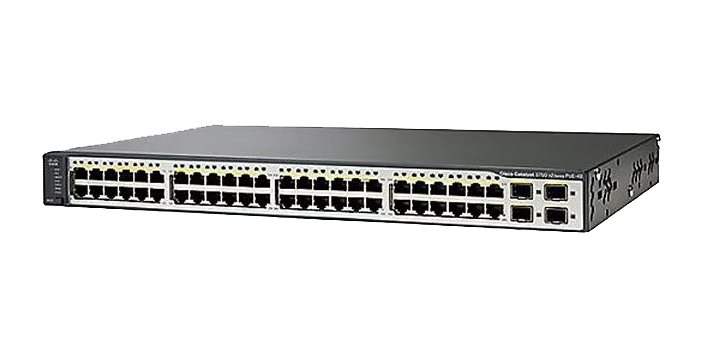
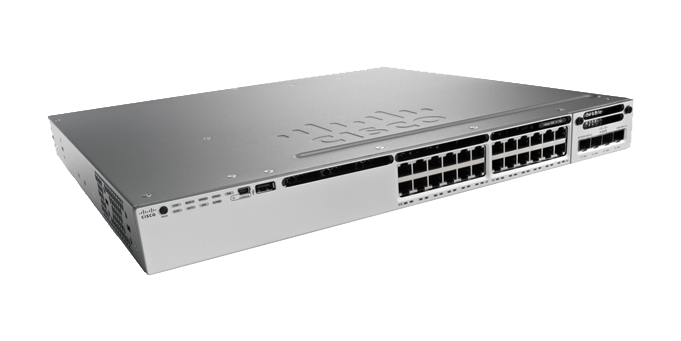
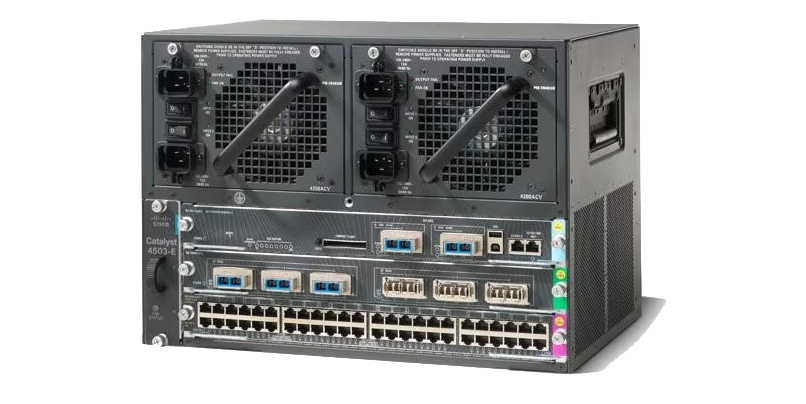
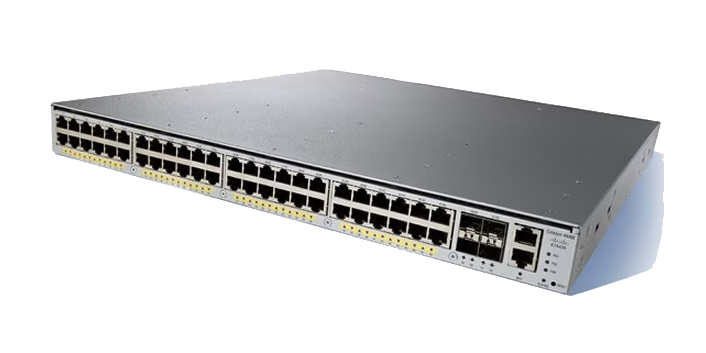
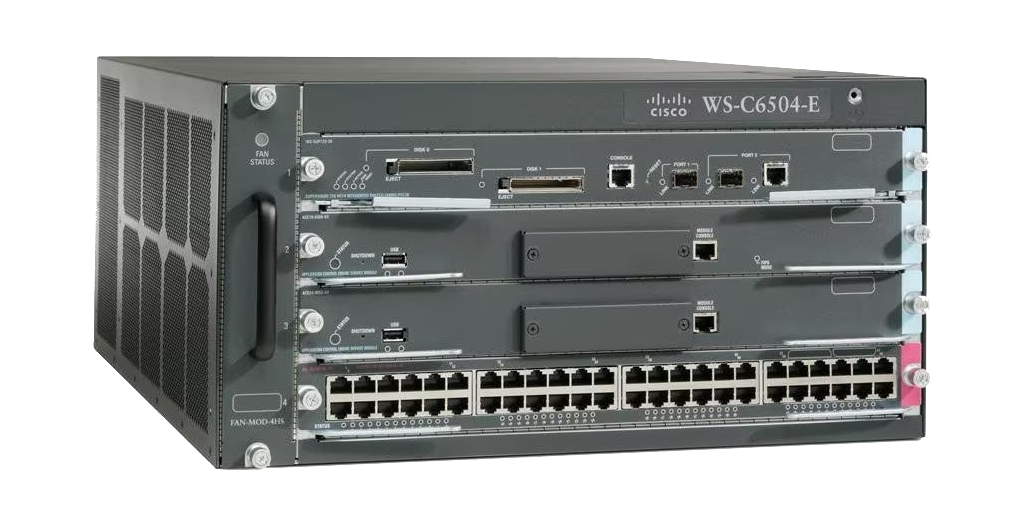
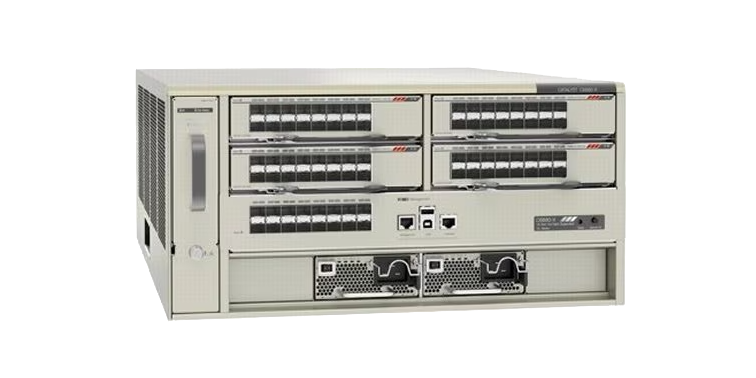
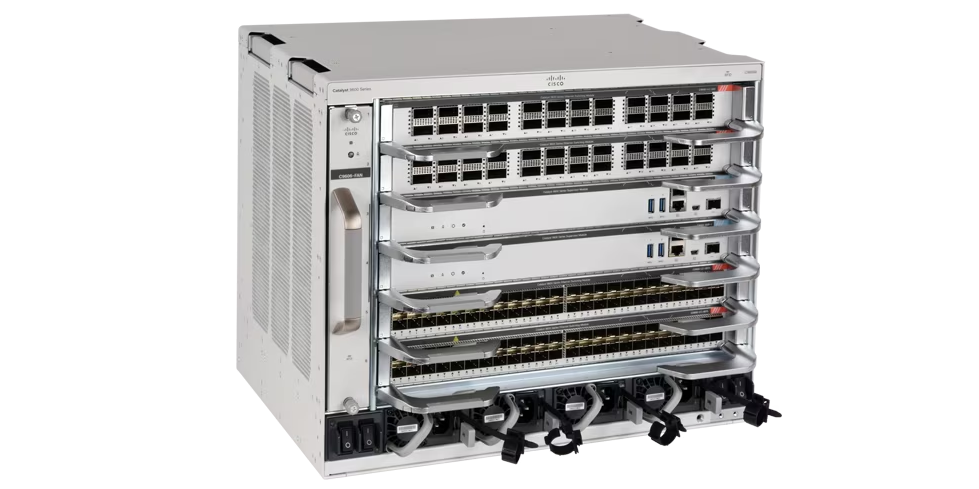
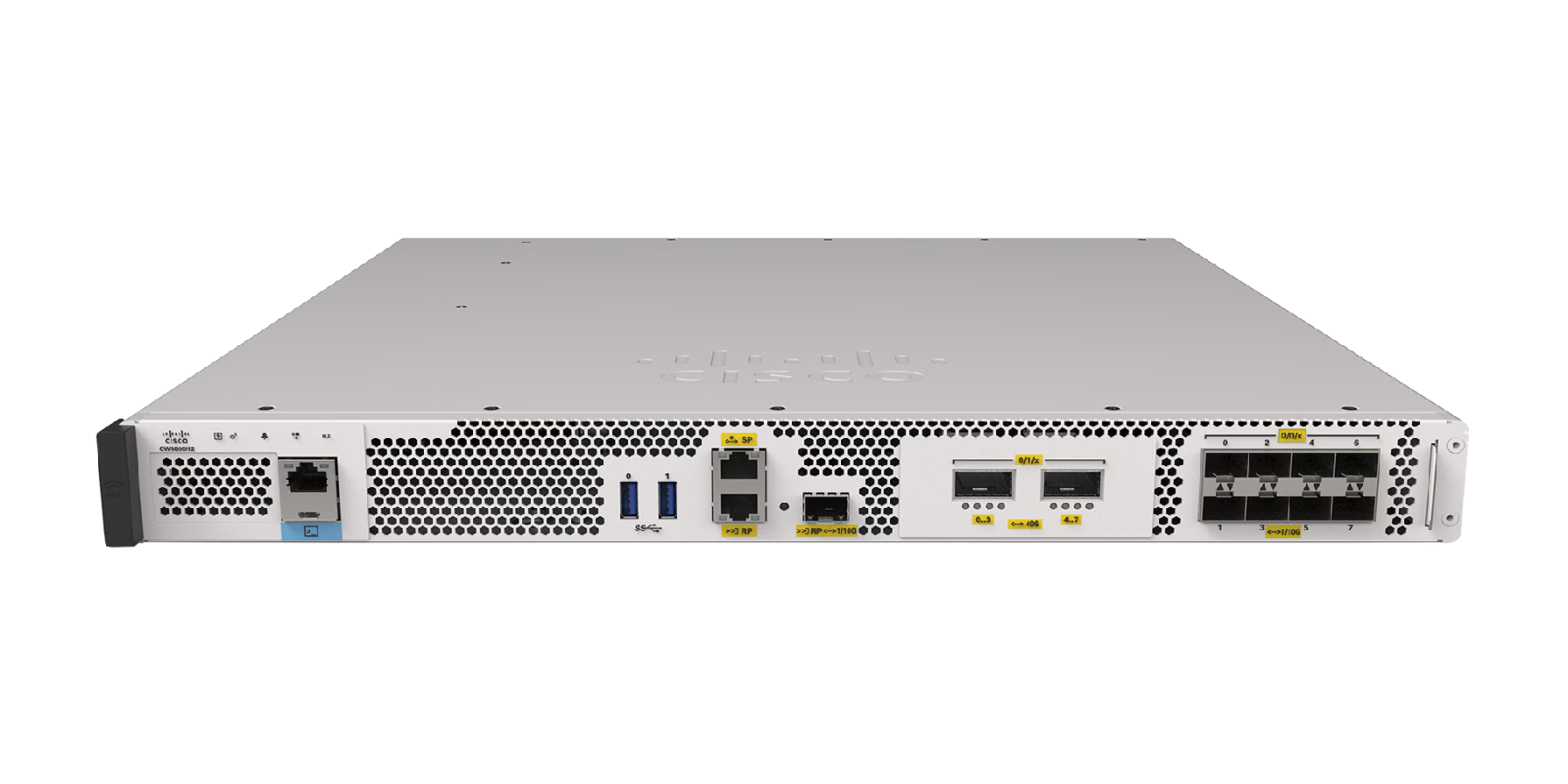
The Cisco Catalyst License defines how Cisco Catalyst switching platforms enable the right software capabilities for access networks, campus switching, Layer 2/Layer 3 services, segmentation, automation, assurance, and enterprise network visibility. Licensing is usually planned around the Catalyst switch model, deployment role, Network Essentials or Network Advantage tier, Cisco Catalyst / Cisco DNA software subscription, Smart Licensing method, support coverage, and renewal term.
Key Benefits
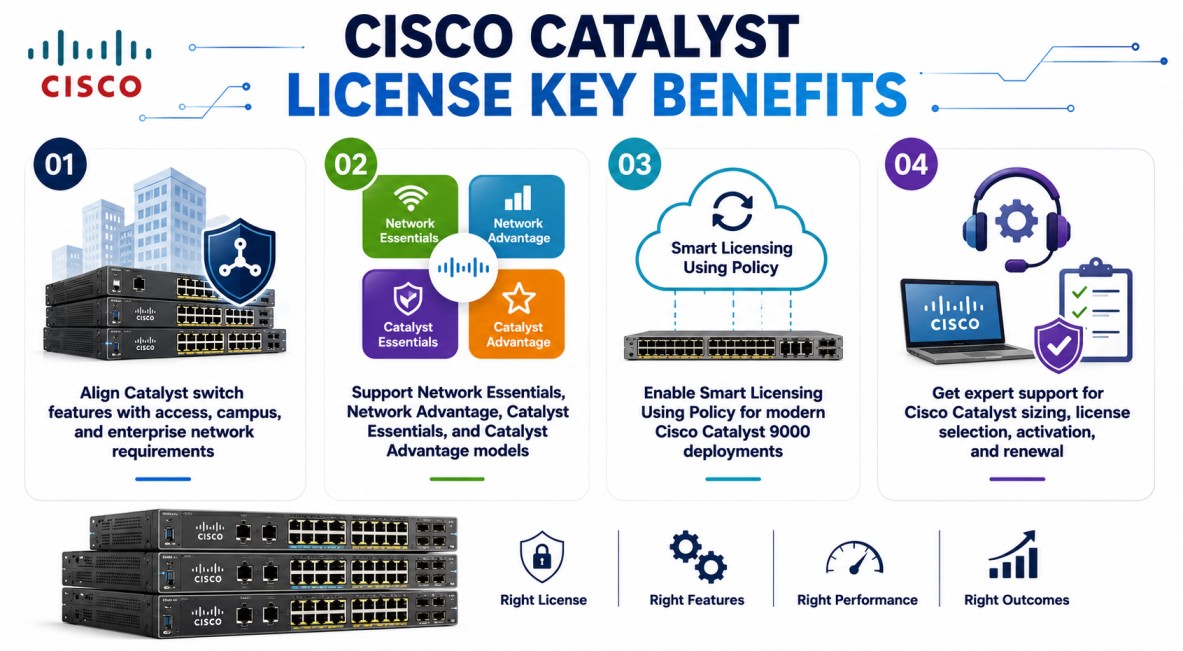
- Align Catalyst switch features with access, campus, and enterprise network requirements
- Support Network Essentials, Network Advantage, Catalyst Essentials, and Catalyst Advantage models
- Enable Smart Licensing Using Policy for modern Cisco Catalyst 9000 deployments
- Get expert support for Cisco Catalyst sizing, license selection, activation, and renewal
Cisco Catalyst License At a glance
What it does : Cisco Catalyst licensing enables switching software features, automation, assurance, segmentation, management capabilities, and subscription-based services across Cisco Catalyst switching environments.
License type : Product-dependent. Cisco’s switching subscription matrix lists Network Essentials and Network Advantage as perpetual licenses compatible with Catalyst Essentials and Catalyst Advantage, while Cisco Catalyst / Cisco DNA Essentials and Advantage are term-based subscription licenses.
Typical term : Cisco Catalyst / Cisco DNA switching subscriptions are commonly offered in multi-year terms such as 3, 5, and 7 years, depending on the selected software tier and ordering model.
Activation method : Modern Cisco Catalyst 9000 environments commonly use Smart Licensing Using Policy, which is Cisco’s policy-based licensing model for license usage reporting and compliance workflows.
Who needs it : Organizations deploying Cisco Catalyst switches for access networks, campus switching, enterprise connectivity, SD-Access, segmentation, automation, assurance, and centralized network operations.
License Overview
Cisco Catalyst licensing depends on the switch family, IOS XE version, deployment role, software tier, and whether the environment requires only standard switching features or broader automation and assurance capabilities.
The Cisco Catalyst License is commonly structured around a foundational network stack and a subscription software stack. Network Essentials is generally used for standard switching needs, while Network Advantage is used when broader enterprise switching, routing, segmentation, and advanced feature requirements are needed. Cisco’s software subscription matrix identifies Network Essentials and Network Advantage as perpetual license options that align with Catalyst Essentials and Catalyst Advantage subscription models.
For the subscription layer, Cisco Catalyst / Cisco DNA Essentials and Advantage add software capabilities around management, automation, monitoring, assurance, and advanced campus operations. Cisco describes Catalyst Advantage as including broader capabilities such as policy-based automation, assurance, AI network analytics, ThousandEyes visibility, Cisco Spaces, and ISE Advantage quantities depending on the switch model.
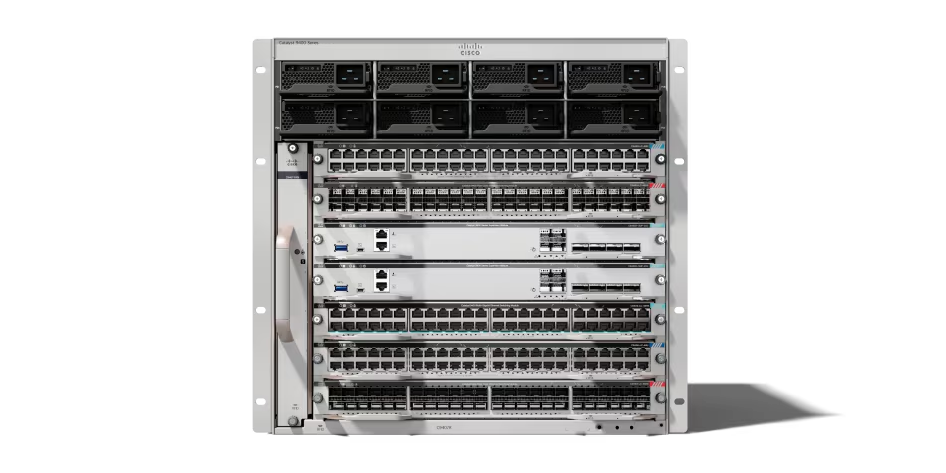
Because Catalyst environments may include access switches, stack deployments, modular chassis, campus distribution, core layers, and SD-Access fabrics, licensing should be planned around the real network role of each switch rather than only the hardware SKU. A properly aligned Cisco Catalyst licensing model helps organizations avoid feature gaps, control renewal planning, maintain compliance, and keep switching capabilities matched with the actual campus network design.
Product Overview
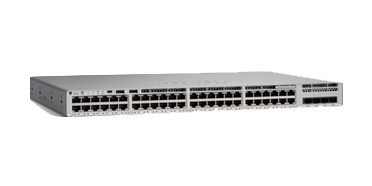
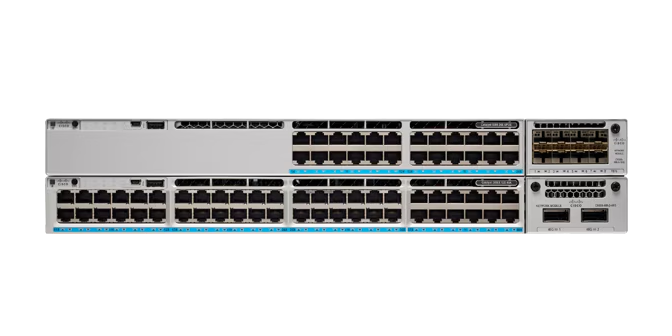
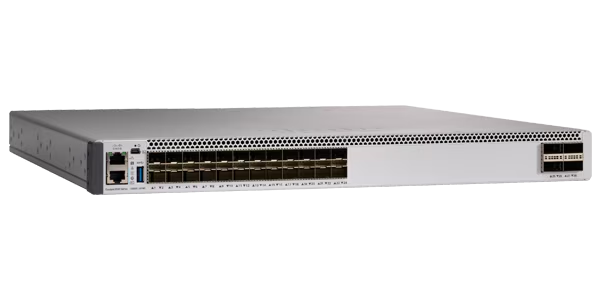
Cisco Catalyst switches are used across access, branch, campus, distribution, and enterprise network environments. They connect users, endpoints, wireless access points, IoT devices, servers, security systems, and network services.
In a basic access deployment, a Catalyst switch may only need foundational switching and management capabilities. In larger campus environments, teams may need advanced Layer 3 services, segmentation, automation, assurance, encrypted traffic visibility, SD-Access support, or integration with Cisco Catalyst Center.
The selected license determines which software capabilities are available and how the switch can participate in the wider network architecture. This makes Cisco Catalyst License planning important before purchasing, renewing, or upgrading switches.
One of the main operational advantages is predictable feature alignment. Network teams can select the right license tier for each role instead of treating every switch the same.
For organizations standardizing on Cisco Catalyst switching, this approach supports cleaner deployment planning, easier lifecycle management, and more consistent enterprise network operations.
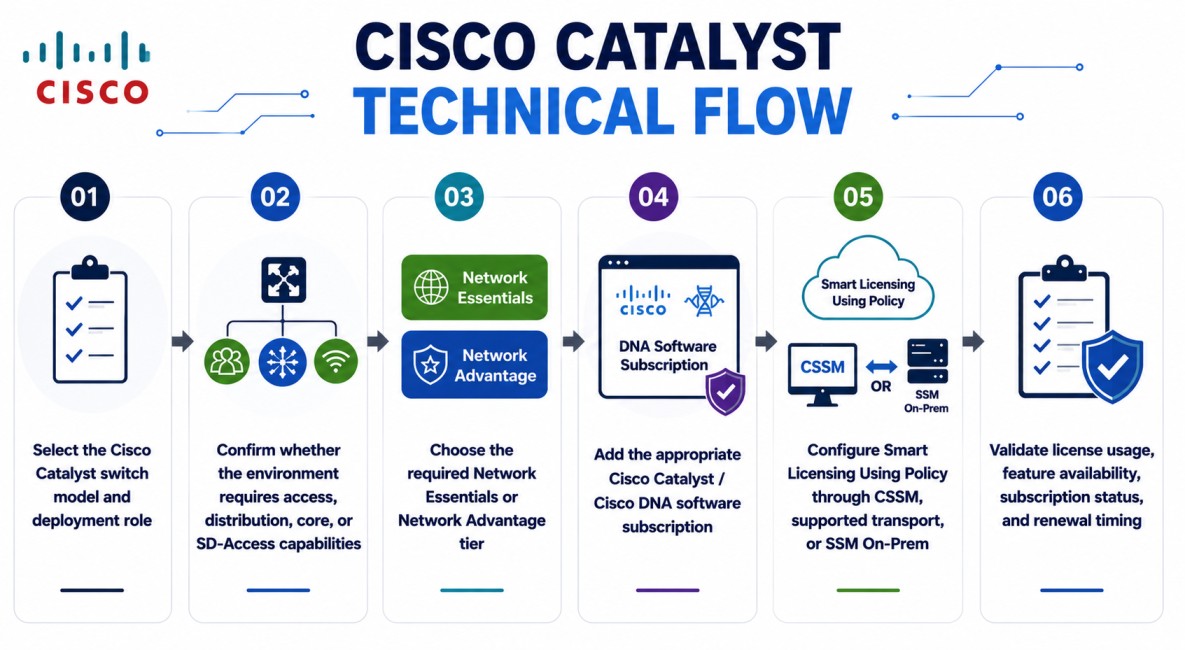
Core technical flow
- Select the Cisco Catalyst switch model and deployment role
- Confirm whether the environment requires access, distribution, core, or SD-Access capabilities
- Choose the required Network Essentials or Network Advantage tier
- Add the appropriate Cisco Catalyst / Cisco DNA software subscription
- Configure Smart Licensing Using Policy through CSSM, supported transport, or SSM On-Prem
- Validate license usage, feature availability, subscription status, and renewal timing
Options & Tiers
| Licensing Model | Best for | Typical Scope | What affects pricing |
|---|---|---|---|
| Network Essentials | Standard access switching | Foundational switching and network services | Switch model and feature needs |
| Network Advantage | Advanced enterprise switching | Broader Layer 3, segmentation, and enterprise features | Required feature set |
| Catalyst Essentials / Cisco DNA Essentials | Core management and monitoring | Term-based subscription capabilities | Term, switch model, and scale |
| Catalyst Advantage / Cisco DNA Advantage | Advanced campus and SD-Access needs | Automation, assurance, analytics, and policy capabilities | Feature depth and deployment role |
| Cisco Networking Subscription | Newer C9000 Smart Switch deployments | Essentials or Advantage subscription model with perpetual networking feature use | Platform generation and subscription scope |
| Smart Licensing Using Policy | Modern Catalyst deployments | Usage reporting and compliance relationship | IOS XE version and transport model |
Features & Benefits
As campus networks grow across users, wireless access, IoT, branches, and hybrid operations, Cisco Catalyst licensing becomes important for keeping switching features aligned with the real network design. A well-planned Cisco Catalyst License allows teams to enable the right level of software functionality for each switch role. This may include foundational access switching, advanced Layer 3 routing, segmentation, SD-Access, assurance, automation, and visibility features.
One major benefit is better scalability. Access switches, distribution switches, and core switches can be licensed according to their operational importance instead of being over-licensed or under-licensed.
The licensing model also supports centralized entitlement visibility through Cisco Smart Licensing workflows. Cisco describes Smart Licensing Using Policy as an enhanced licensing model designed to support a compliance relationship around purchased and used hardware and software licenses without interrupting network operations. Over time, this helps organizations simplify switch lifecycle planning, reduce renewal surprises, and maintain better control over Cisco Catalyst environments.
System Requirements
Common environments
- Cisco Catalyst access switching environments
- Campus, branch, distribution, and core network deployments
- Catalyst 9000 switching platforms
- Cisco Catalyst Center and SD-Access environments
- Enterprise switching and segmentation architectures
Technical requirements
- Supported Cisco Catalyst switch model
- Compatible IOS XE version
- Cisco Smart Account and Virtual Account access
- Correct Network and Catalyst / DNA software tier
- CSSM connectivity, supported transport method, or Smart Software Manager On-Prem workflow
How activation works
Activating Cisco Catalyst software usually starts with confirming the switch model, IOS XE version, selected license tier, Smart Account, and Virtual Account where the entitlement is available.
For modern Catalyst 9000 environments, Smart Licensing Using Policy is commonly used. Cisco documentation explains that this model involves license usage reporting and includes components such as the product instance and Cisco Smart Software Manager, where Cisco SSM acts as the central portal for information about Cisco software licenses.
In connected environments, Catalyst switches can report usage to Cisco Smart Software Manager through supported transport methods. In controlled environments, organizations may use Smart Software Manager On-Prem or another supported reporting method instead of allowing direct communication from switches to Cisco cloud services.
After the licensing method is configured, administrators should validate the active license level, subscription status, usage reporting state, and available feature set. This is especially important when mixing Network Essentials, Network Advantage, Catalyst Essentials, and Catalyst Advantage across multiple switch models.
After activation, organizations should regularly review license usage, Smart Account alignment, switch inventory, subscription renewal dates, and compliance status to ensure the Cisco Catalyst License remains aligned with the deployed environment.
Pricing factors + quote process
Pricing for Cisco Catalyst licensing usually depends on switch model, port count, deployment role, required software tier, subscription term, support coverage, and Smart Licensing method.
A standard access switching deployment may only require a lower software tier, while SD-Access, automation, assurance, ThousandEyes visibility, Cisco Spaces, or advanced segmentation requirements may need a higher subscription tier. Cisco’s Catalyst software subscription page notes that Advantage includes broader capabilities beyond Essentials, including policy-based automation, assurance and AI network analytics, ThousandEyes visibility, Cisco Spaces, and ISE Advantage quantities depending on switch model.
Additional considerations such as stack design, modular chassis requirements, multi-site architecture, Catalyst Center integration, renewal timing, and support level can also influence the final quote.
During the quote process, switch inventory, deployment role, required features, subscription term, and activation model are reviewed first so the licensing approach can match the organization’s Cisco Catalyst strategy more accurately.
After you request a quote
- We review your Cisco Catalyst switch models and deployment scope
- Recommend the suitable Network and Catalyst / DNA subscription tier
- Provide official pricing and delivery details
- Share Smart Licensing and activation guidance